Why Crawl Space Condensation Is a Serious Problem During Atlantic Canada Summers
Why Crawl Space Condensation Is a Serious Problem During Atlantic Canada Summers
Summer in Atlantic Canada brings more than warm weather. It also brings high humidity, heavy rain, and damp conditions that can quickly affect the space beneath your home.
For homeowners across Nova Scotia, New Brunswick, and Prince Edward Island, crawl space condensation is a common warning sign that too much moisture is entering the home.
It may start with a few water droplets, damp insulation, or a musty smell, but if left untreated, crawl space moisture can lead to mold, wood rot, sagging floors, poor indoor air quality, and costly structural damage.
What Causes Condensation in a Crawl Space?
Condensation forms when warm, humid outdoor air enters a cooler crawl space.
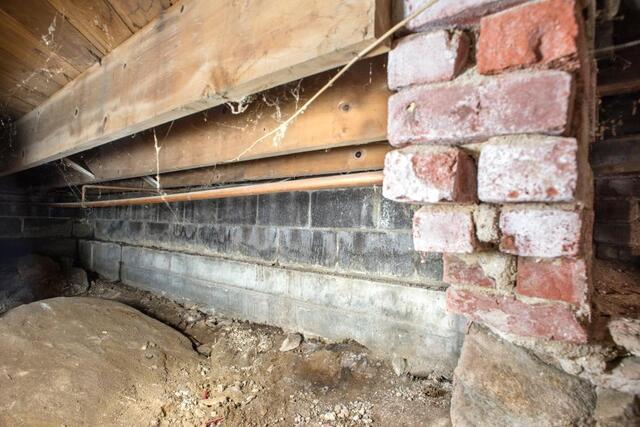
When that humid air comes into contact with cooler surfaces such as pipes, ductwork, foundation walls, floor joists, or insulation, the moisture in the air turns into water droplets.
It is the same reason a cold glass sweats on a hot summer day.
In a crawl space, however, that moisture has nowhere to go. It can collect on wood, insulation, and other materials, creating a damp environment beneath your home.
Why Atlantic Canada Homes Are Especially Vulnerable
Atlantic Canada’s humid summers, coastal air, frequent rainfall, and changing temperatures create ideal conditions for crawl space moisture.
Many homes in the region also have older, vented crawl spaces. Although vents were traditionally intended to improve airflow, they can actually allow more warm, humid air inside during the summer.
Instead of drying the crawl space, open vents can make condensation and humidity worse.
What Can Crawl Space Condensation Lead To?
Mold and Musty Odours
A damp crawl space creates the perfect environment for mold growth.
Once mold begins growing beneath your home, spores and musty odours can move upward into your living space, affecting the air your family breathes.
Wood Rot
Floor joists, support beams, and subflooring can absorb moisture over time.
As the wood remains damp, it can begin to soften, rot, and weaken. This may eventually lead to uneven or sagging floors.
Wet or Falling Insulation
Fiberglass insulation can absorb moisture, become heavy, and begin falling from between the floor joists.
Once insulation becomes wet, it is far less effective and can contribute to uncomfortable floors and higher energy costs.
Poor Indoor Air Quality
A significant amount of the air inside your home can come from the crawl space.
If the crawl space is damp, musty, or moldy, that air can travel into the rooms above it.
Pest Activity
Insects and rodents are often attracted to dark, damp environments. High crawl space humidity can make the area more appealing to unwanted pests.
Signs Your Crawl Space Has a Moisture Problem
Common warning signs include:
-
Condensation on pipes or ductwork
-
Damp or fallen insulation
-
Musty smells inside the home
-
Visible mold or mildew
-
Water droplets on floor joists
-
Soft or sagging floors
-
High indoor humidity
-
Cold or uncomfortable floors
Even if there is no standing water, these signs may indicate that humidity is already affecting your crawl space.
How Ridgeback Basement Systems Can Help
The long-term solution is not simply adding a fan or opening the crawl space vents.
At Ridgeback Basement Systems, we create a sealed, dry, and controlled crawl space environment.
Depending on the condition of the home, a crawl space solution may include:
-
CleanSpace® crawl space encapsulation
-
Sealing outside air and moisture from the crawl space
-
SilverGlo™ wall insulation
-
A high-performance dehumidifier
-
Drainage or sump pump solutions
-
Structural support for weakened or sagging floors
CleanSpace® creates a durable barrier between the home and the damp ground below, helping prevent moisture from entering the crawl space.
When combined with proper sealing, insulation, and humidity control, encapsulation helps protect the home year-round.
Do Not Ignore Summer Crawl Space Humidity
Condensation is not just a little summer moisture.
It is a sign that your crawl space environment is too humid and that your home may be at risk of mold, wood rot, poor air quality, and structural damage.
The sooner the moisture problem is addressed, the easier it is to protect your home and avoid larger repairs.
Ridgeback Basement Systems provides crawl space repair and encapsulation solutions throughout Nova Scotia, New Brunswick, and Prince Edward Island.
Schedule your free crawl space inspection today and take the first step toward a drier, healthier home.